Metal Fence Selection Guide

Metal Privacy Fence Systems

Perimtec sells complete metal privacy fence systems, not loose generic sheet metal. In Perimtec’s product line, that usually means either a steel post-and-frame fence system that carries the infill you choose, or a dedicated single-color steel privacy fence system built for a uniform all-steel screen.

Use this page to decide which path fits your layout, privacy level, wind and site conditions, gate openings, maintenance expectations, finish goals, and project budget before requesting pricing.
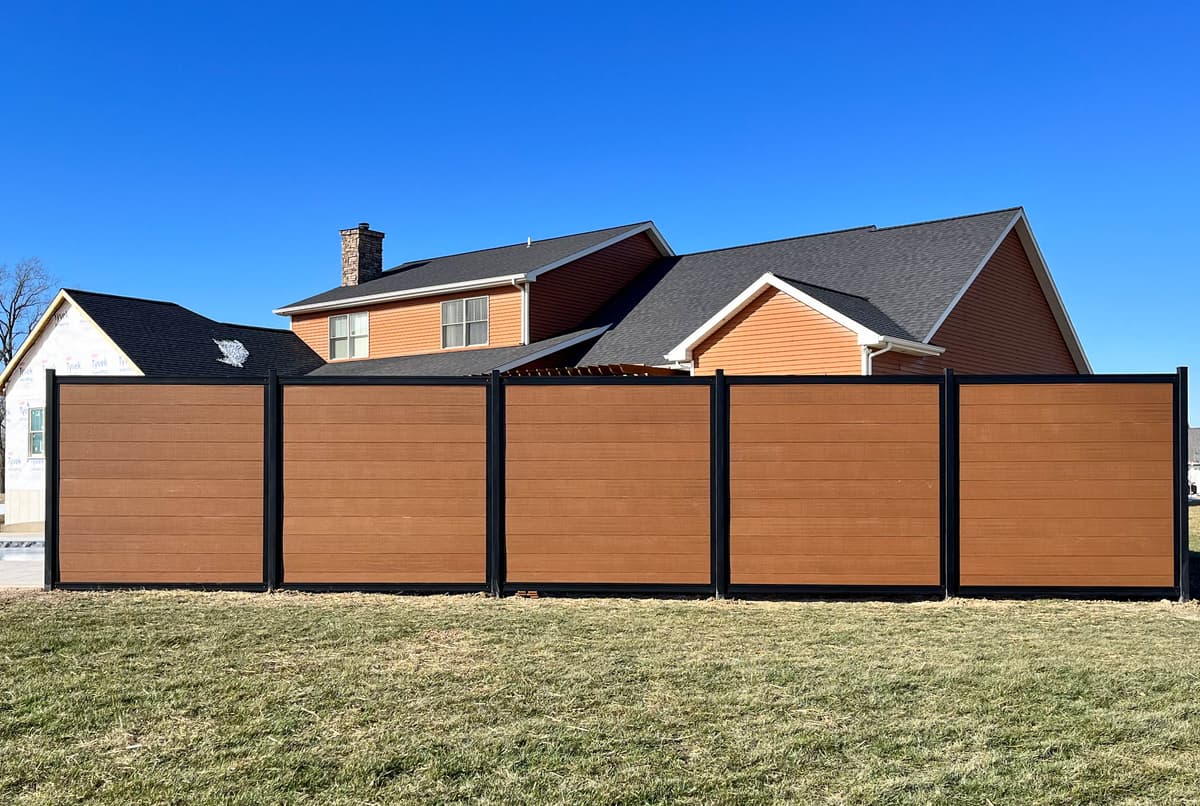
Steel frame fence system with wood infill for a warmer privacy look.
Steel Frame · Wood Infill
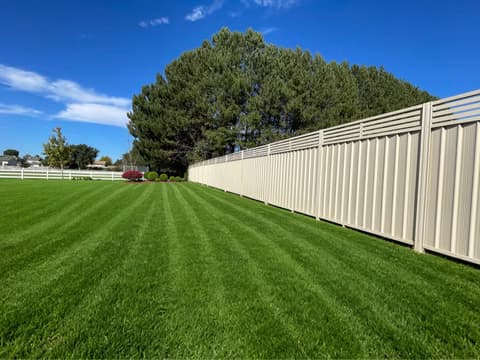
Steel privacy fence system in a clean gray finish with consistent coverage.
Steel Privacy · Gray Finish
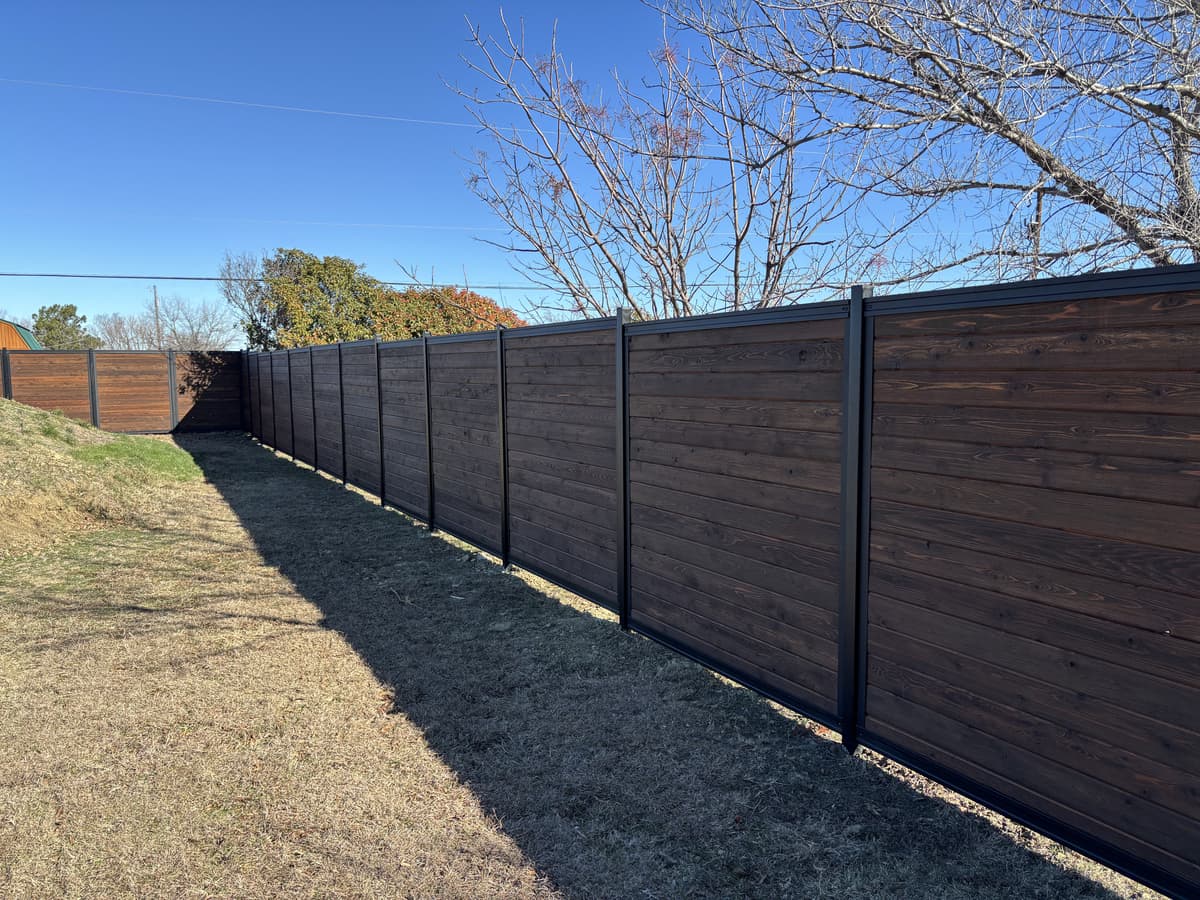
Steel frame fence system with composite infill and modern framing lines.
Steel Frame · Composite Infill
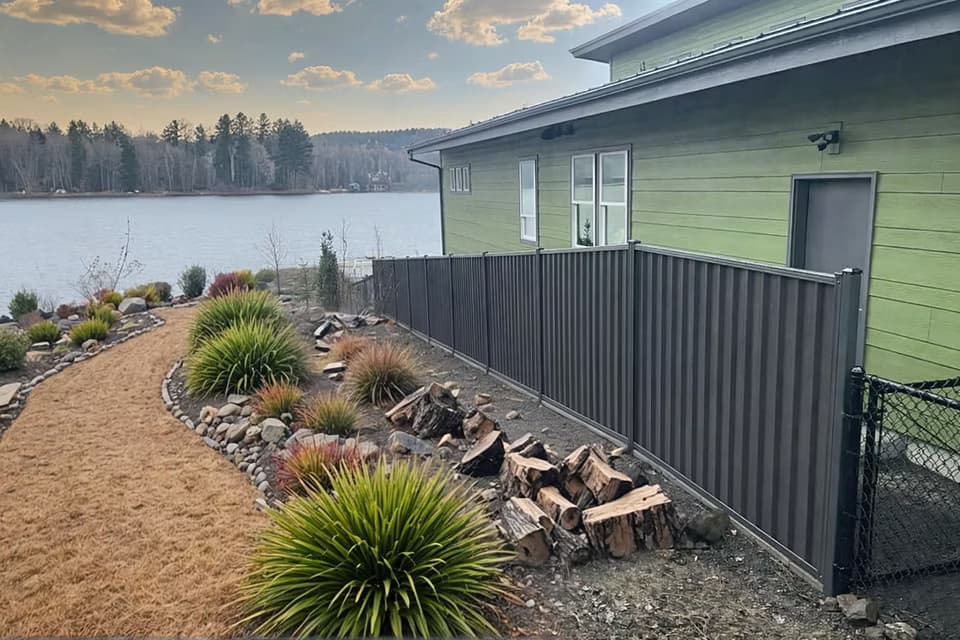
Long run of steel privacy fence system used for consistent screening.
Steel Privacy · Continuous Run

What Metal Privacy Fence Means Here

Buyers often use “metal privacy fence” to describe several different fence types: corrugated metal panels, steel posts with wood or composite infill, horizontal metal slats, or a fully steel privacy screen. Perimtec separates those choices into buildable systems so steel posts, frames, panels, gates, infill weight, finish details, and site exposure are considered together.

That distinction matters because a mixed-material steel frame fence and a dedicated all-steel privacy fence do not solve the same problem. One emphasizes infill flexibility and design control; the other emphasizes a consistent steel privacy run with a simpler material direction.

Common Places It Is Used

  • Residential backyards, side yards, patios, and pool privacy zones.
  • Commercial perimeters, tenant separations, and public-facing screening runs.
  • Equipment screening for HVAC units, generators, pool equipment, and service pads.
  • Dumpster enclosures and utility areas that need durable privacy plus planned access.
  • Long perimeter runs where owners want less routine upkeep than a conventional wood privacy fence.
  • Gate openings that need to match the fence infill and be planned with stronger posts and hardware.

Two Main Metal Privacy Fence Paths

Pick the system path that matches the problem your fence needs to solve.

Steel Frame Fence System with your chosen infill

A structural steel post-and-frame system for buyers who want the strength and straight lines of metal framing, but still want to choose the privacy infill and final appearance.

  • Works with metal, wood, composite, vinyl, designer metal, and other compatible infill directions.
  • Best when the fence has to match architecture, landscape materials, or an existing exterior palette.
  • Useful for residential and light commercial projects where privacy and design flexibility both matter.
View Steel Frame Fence System

Single-Color Steel Privacy Fence System

A dedicated steel privacy fence path with matching steel posts and steel infill panels for a uniform, lower-maintenance privacy run.

  • Built for customers who want a clean all-steel privacy screen rather than a mixed-material fence.
  • Simplifies color and material decisions when consistent screening is the priority.
  • Strong fit for long runs, commercial screening, utility zones, and buyers replacing high-maintenance wood.
Explore Steel Privacy Fence System

Practical Comparison

Category
Steel Frame Fence System
Single-Color Steel Privacy Fence System
Core product idea
Metal frame system that can carry different infill materials and styles.
Dedicated all-steel privacy system with matching posts and steel privacy panels.
Appearance direction
Frame-first look with broader design expression through infill selection.
Uniform single-color steel look with a cleaner single-material direction.
Infill flexibility
Highest flexibility across corrugated metal, wood, WPC, vinyl, designer metal, and other compatible options.
Focused steel privacy configuration with less infill variation by design.
Best fit applications
Projects that need privacy plus stronger control over aesthetics, material mix, or gate infill matching.
Projects prioritizing dedicated steel privacy performance, consistent color, and streamlined specification.
Privacy approach
Privacy level is tuned by infill style, orientation, spacing, and height.
Built around consistent full-privacy screening from the start.
Buying path
Start with desired appearance and infill, then confirm posts, gates, height, and finish.
Start with steel privacy coverage, color, height, layout length, and gate openings.

Ready to Compare Price by System?

Share fence length, height, layout conditions, gate openings, and preferred appearance. Perimtec can help map your scope to the correct system before you commit to materials.

Which System Should You Choose?

  • Choose steel frame when the fence design depends on a specific infill material, such as corrugated metal, wood, composite, vinyl, designer metal, or a matching gate infill.
  • Choose steel frame when the project needs a privacy fence that coordinates with modern architecture, existing hardscape, or mixed exterior materials.
  • Choose single-color steel privacy when the priority is a consistent all-steel privacy run with matching posts and steel panels.
  • Choose single-color steel privacy when a long perimeter, commercial screen, utility area, or lower-maintenance wood replacement should stay visually uniform from end to end.

If You Want Privacy, But Not an All-Steel Fence

The steel frame system is the better starting point when privacy is required but the finished look should be wood, composite, corrugated, vinyl, slatted, or another compatible infill direction. It keeps infill flexibility while still organizing posts, rails, gates, and panel edges as a fence system.

  • Corrugated metal infill: Choose a framed corrugated direction when you want an industrial-modern panel profile while keeping posts, rails, gates, and panel edges organized as a system. Learn more
  • Wood or composite infill: Use the steel frame system when you want the warmth of wood or composite boards with a straighter, more structured metal frame. Learn more
  • Horizontal slat layouts: Use horizontal slat layouts when the design calls for a linear modern look and the privacy level can be adjusted by board or slat spacing. Learn more
  • Aluminum frame projects: Review aluminum framing when lighter frame weight or a different corrosion profile is more important for the site than steel-frame strength. Learn more

Buyer Checklist Before Requesting Pricing

  • Privacy level: decide whether the fence needs full visual screening or a semi-private layout is acceptable in some zones.
  • Height: confirm local requirements, pool or enclosure rules, sight lines from neighboring properties, and how height affects posts and gates.
  • Wind exposure: solid privacy panels catch more wind, so exposed sites need post, footing, and panel decisions made early.
  • Gate openings: identify pedestrian, service, double-drive, and trash or equipment access openings before pricing the run.
  • Corrosion and finish expectations: match coating, fastener, and maintenance assumptions to coastal, wet, high-sun, or commercial environments.
  • Infill flexibility: choose steel frame when material mix matters; choose steel privacy when a uniform all-steel screen matters more.
  • Maintenance expectations: compare cleaning, finish touch-ups, panel replacement, and long-term upkeep against wood-only fencing.
  • Project budget: evaluate upfront system cost, installation complexity, gates, finish choices, and expected lifecycle maintenance together.

Plan Gates With the Fence System

Gates are usually where privacy fence projects become complicated. Confirm the number of openings, gate widths, hardware requirements, post sizing, and whether the gate should visually match the fence infill.

For framed projects, Perimtec’s gate frame kits help connect the fence system and gate design instead of treating the gate as an afterthought.

Ready to Price the Right Metal Privacy Fence Path?

Share your project details and we’ll help you choose the right system direction before finalizing scope and quote.