Fence Category

Corrugated Metal Fence Systems

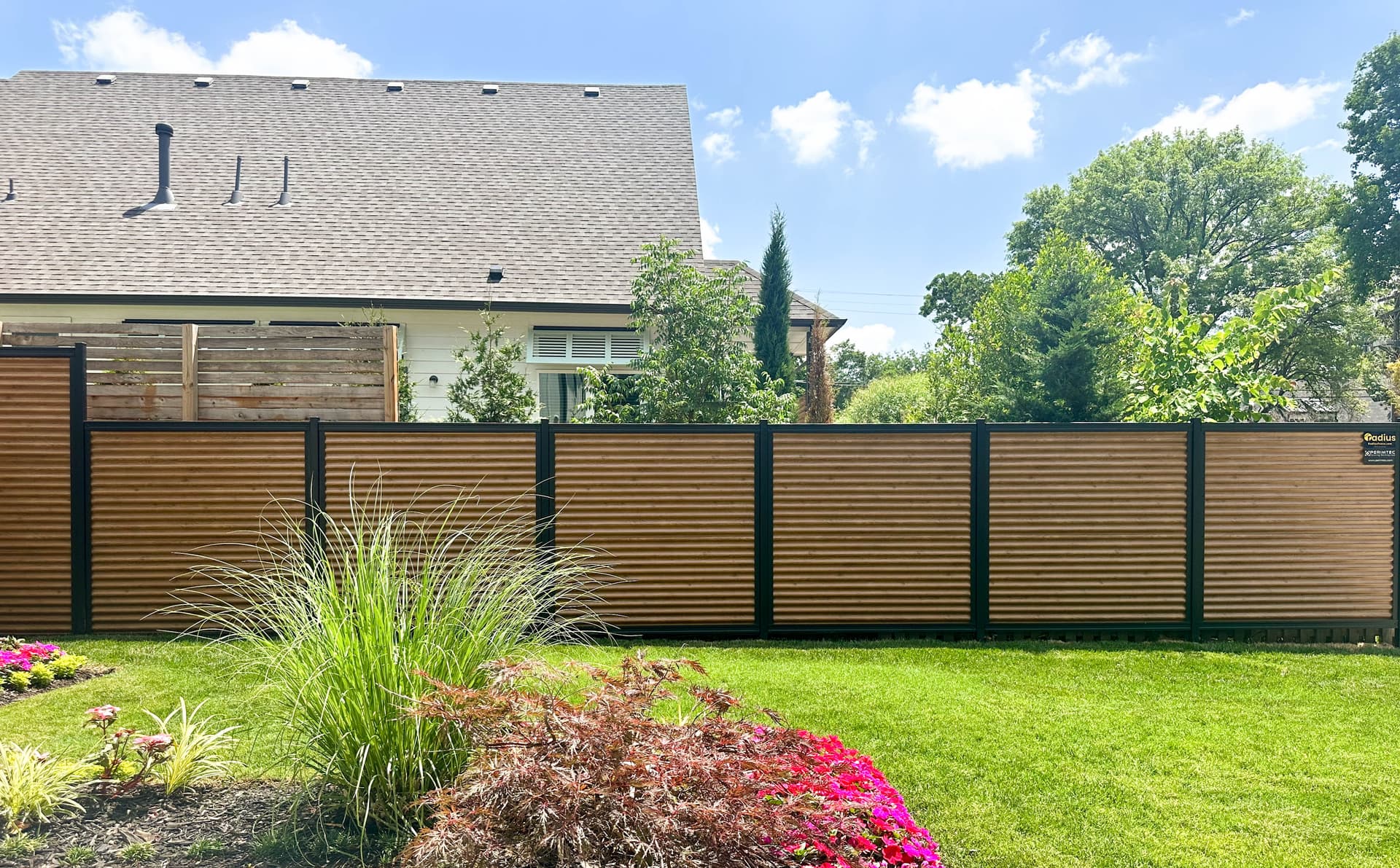
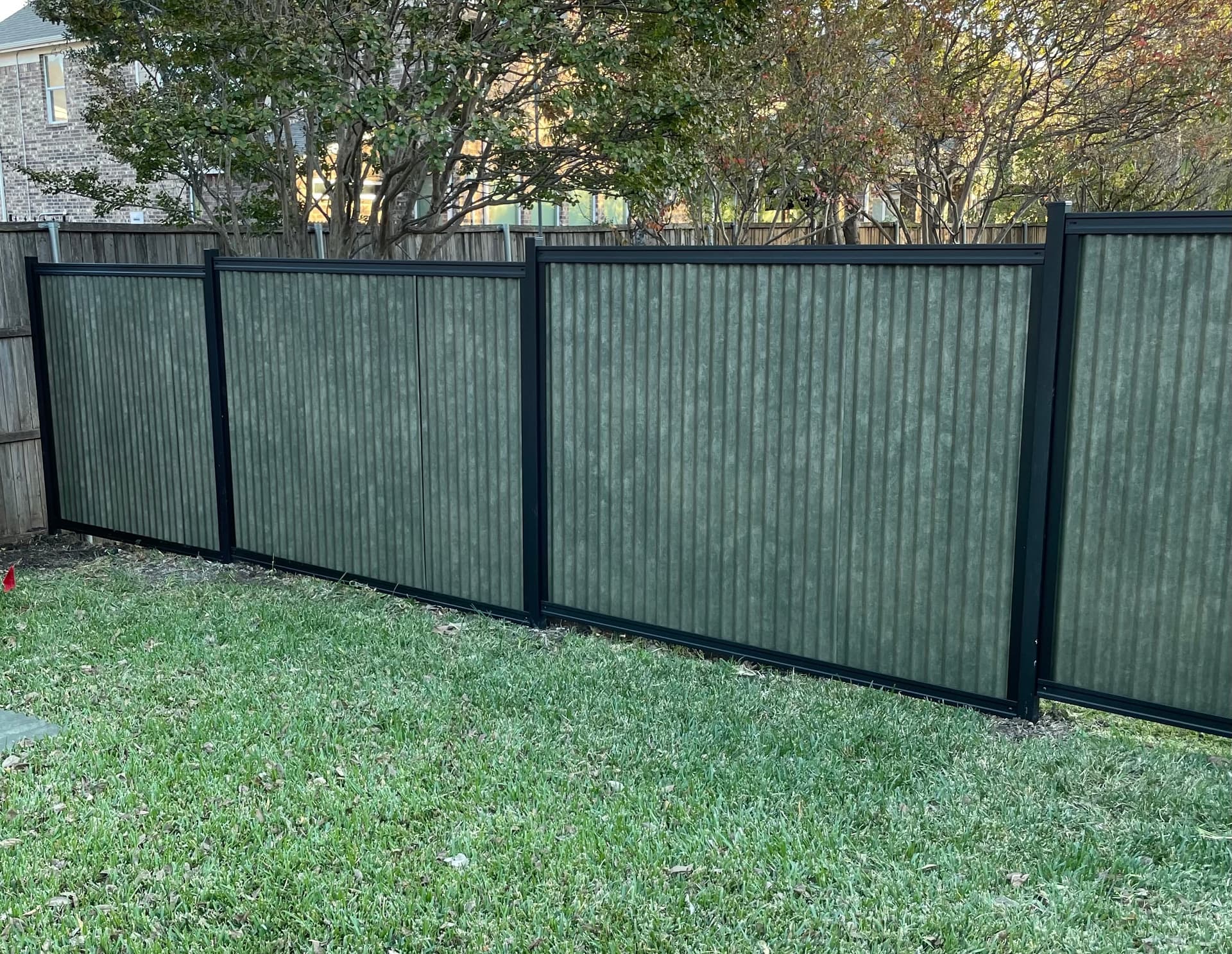
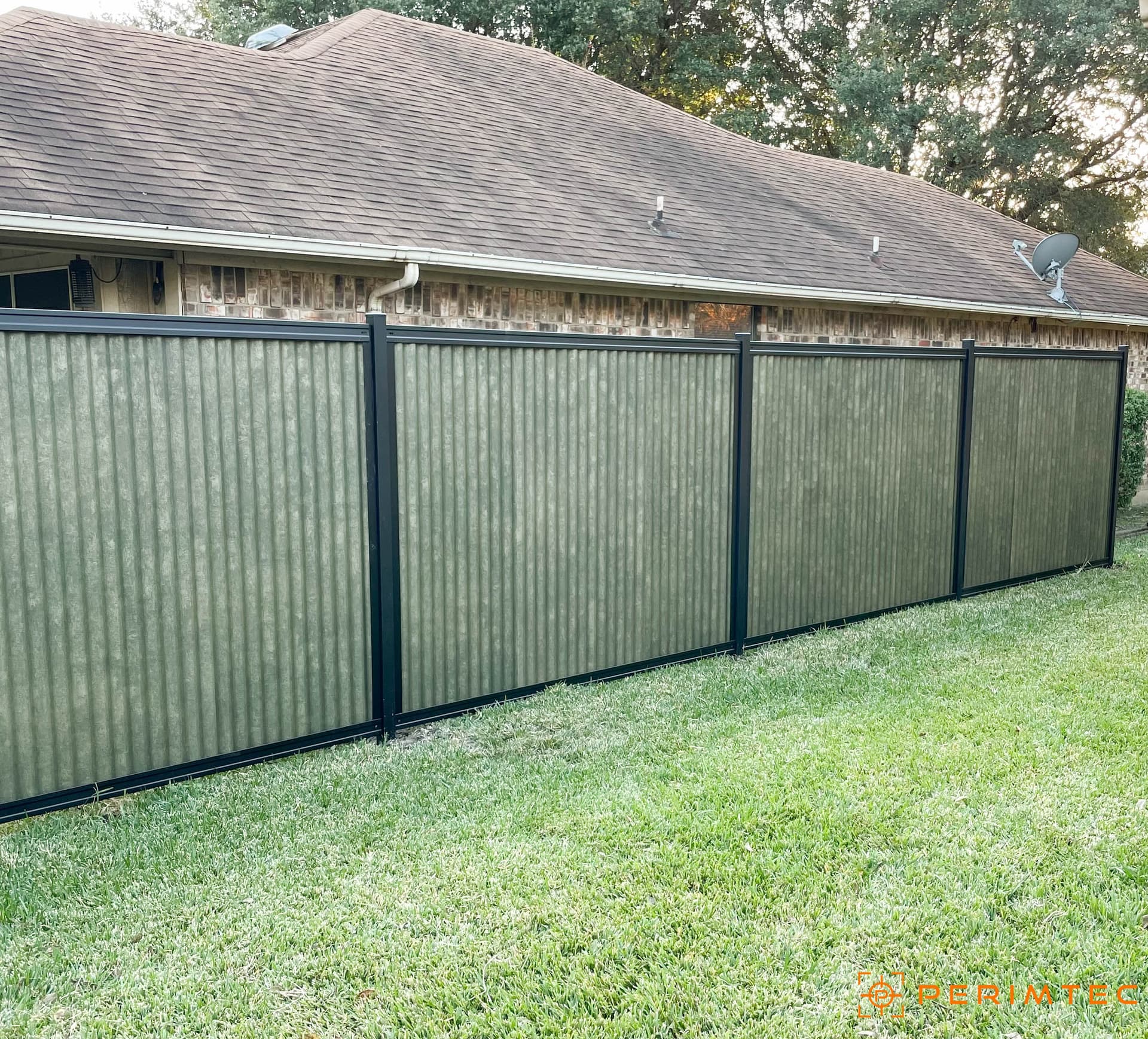
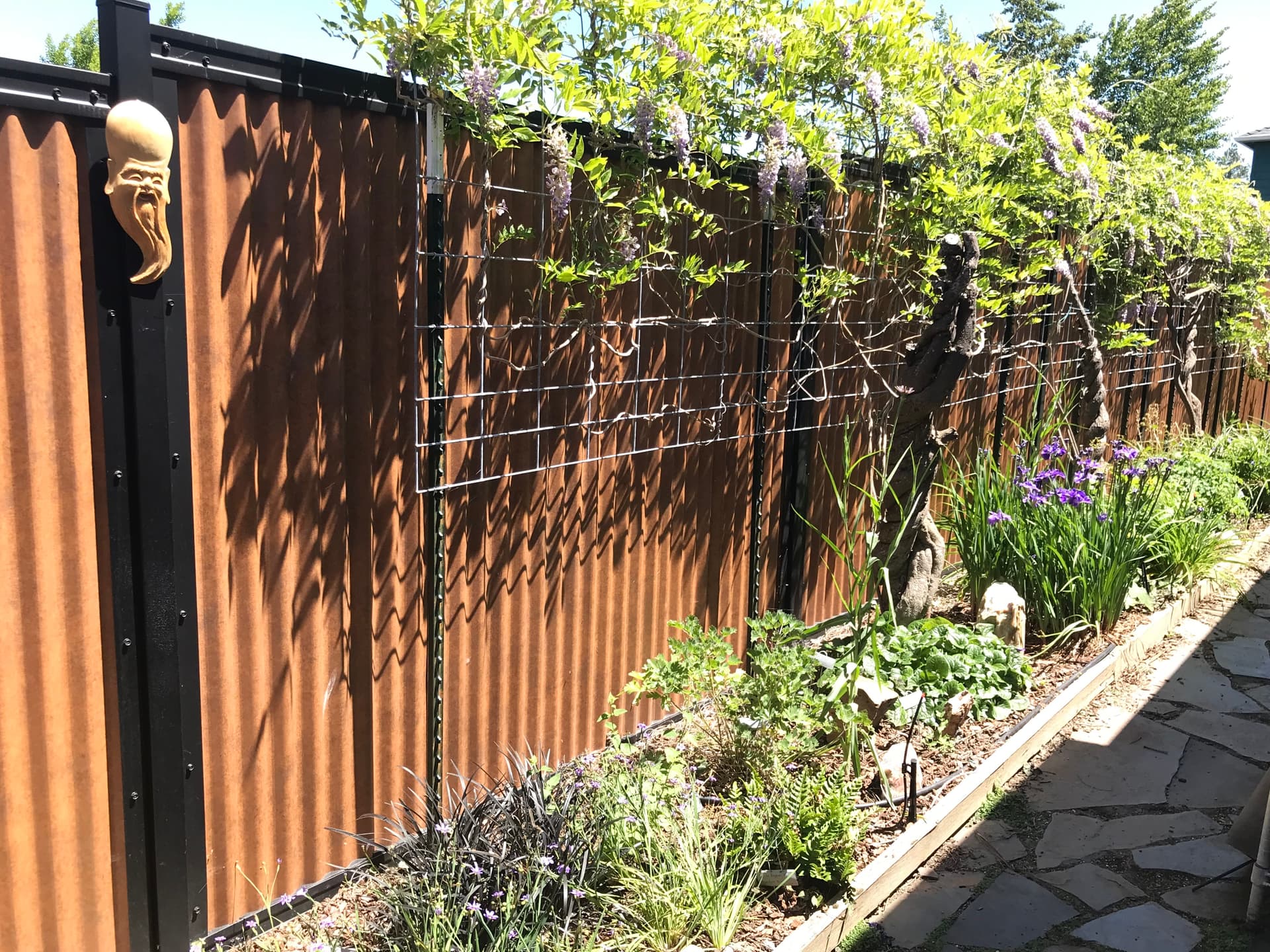
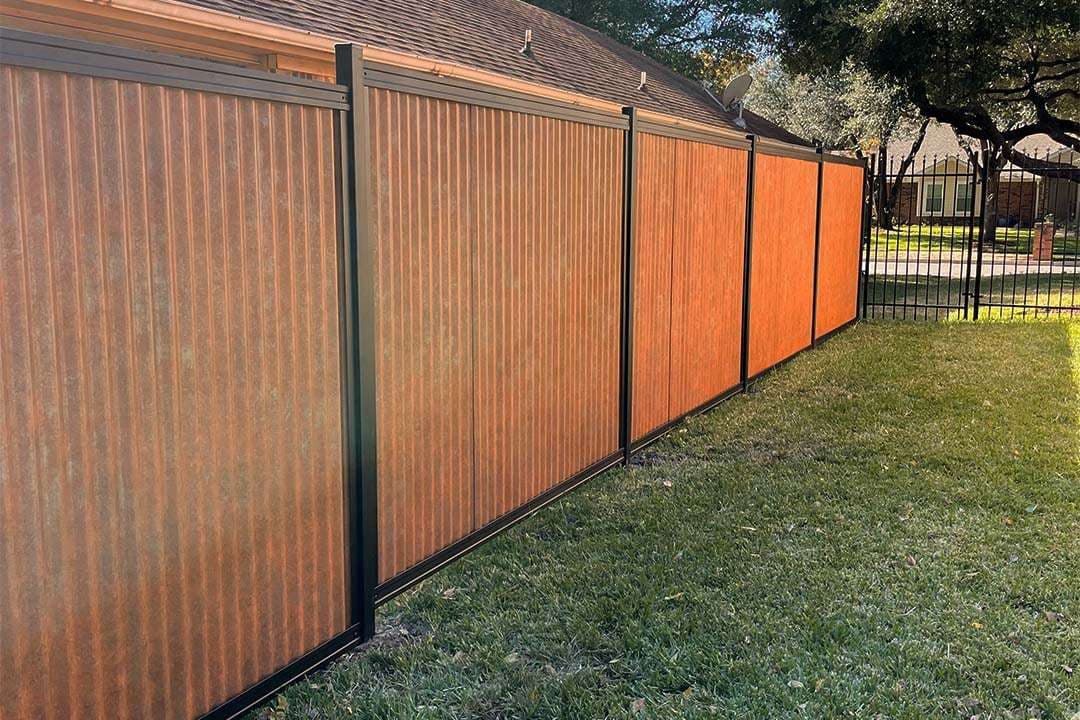
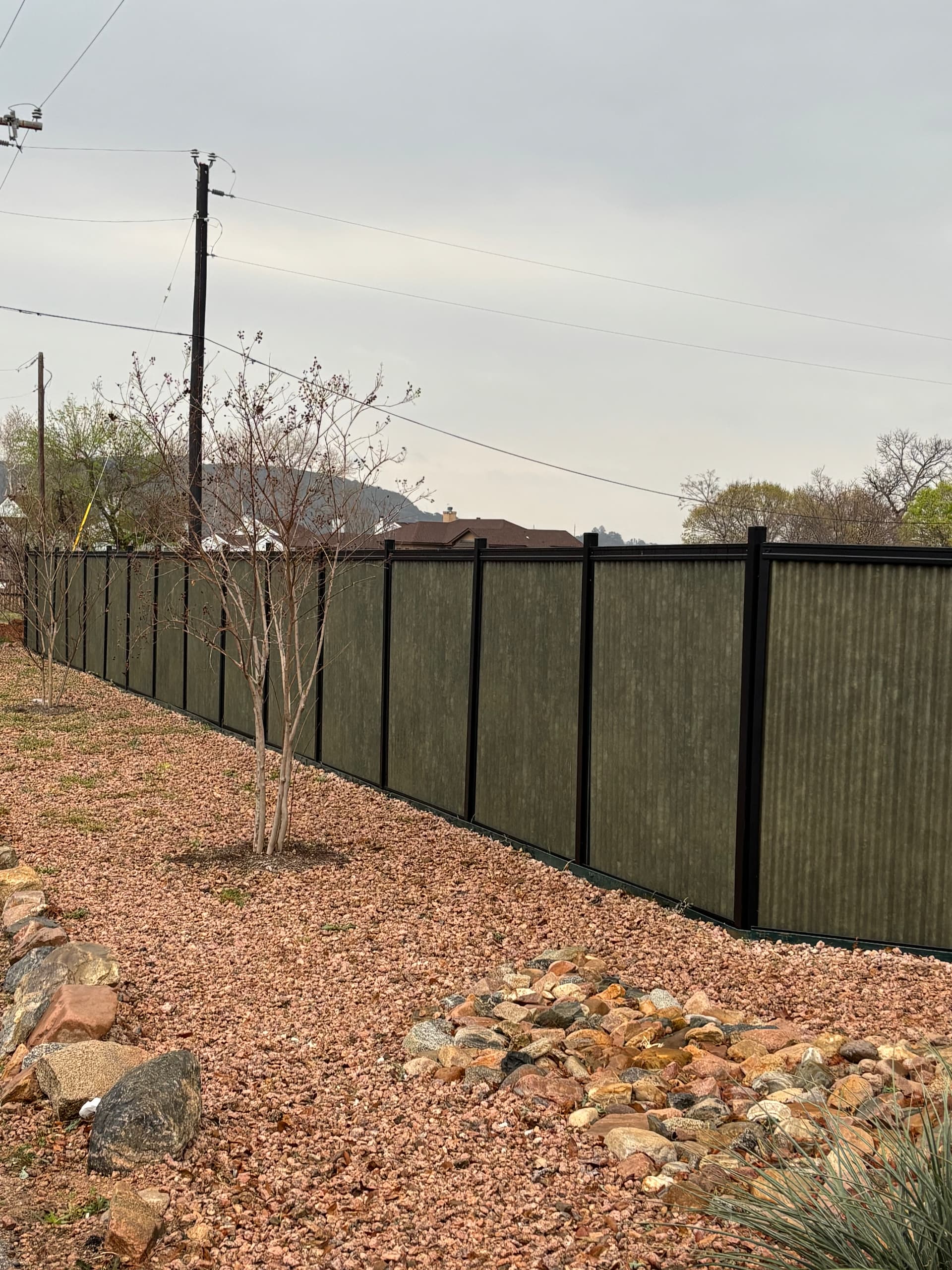
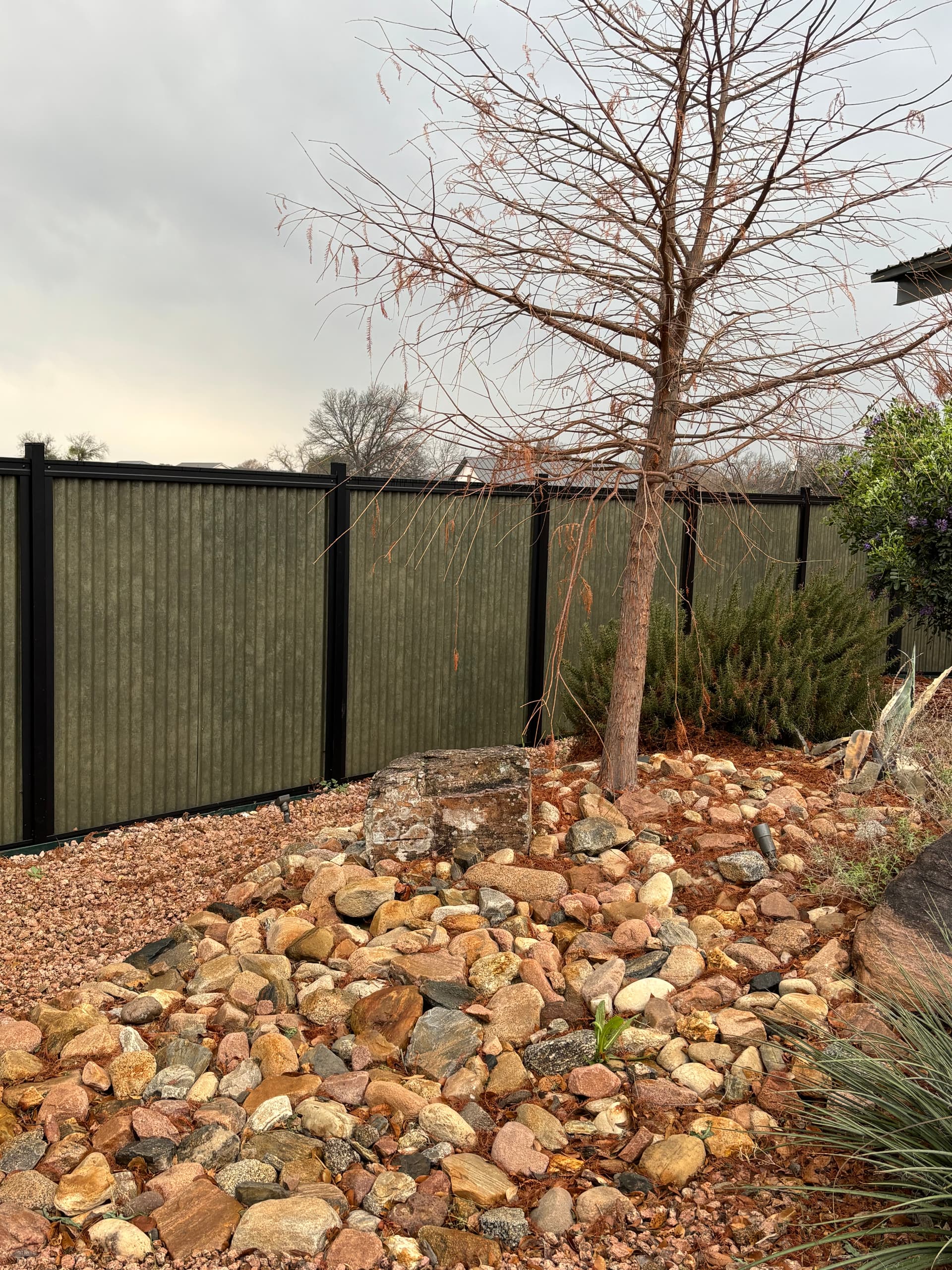
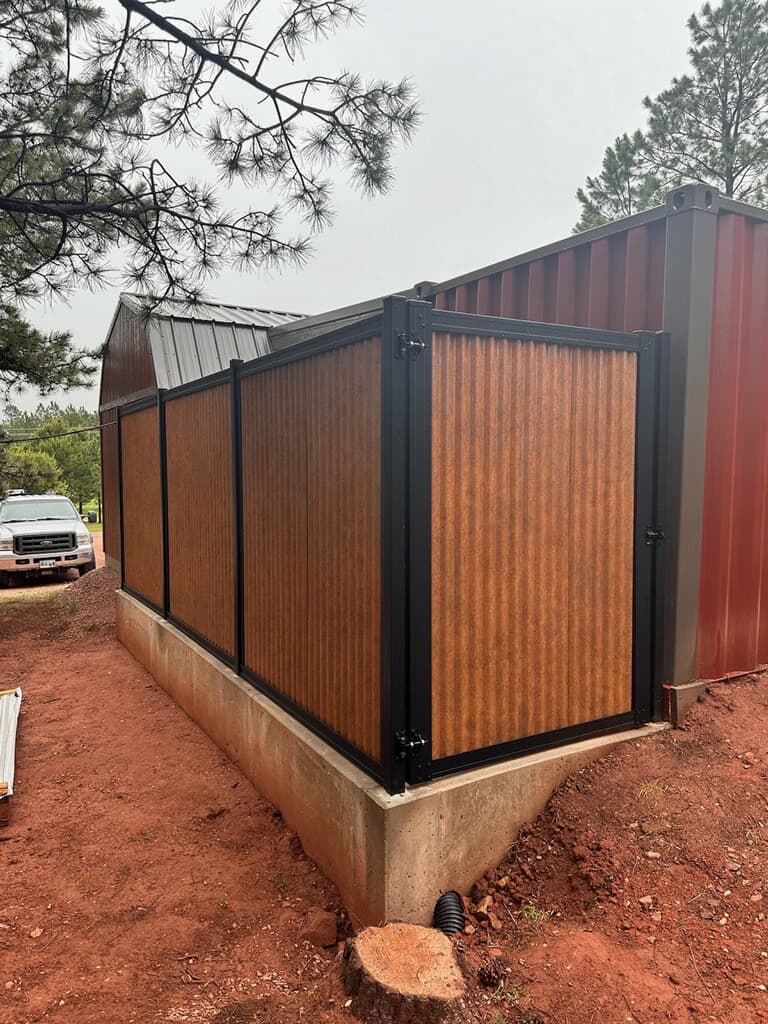
Perimtec corrugated metal fence systems pair steel framing with compatible corrugated or Designer Metal infill. The framed panels create full-privacy fencing for residential and commercial projects while delivering a clean, modern architectural look.

Use corrugated panels for residential privacy, perimeter fencing, commercial screening, equipment enclosures, dumpster and service areas, or as a durable replacement for traditional wood privacy fencing. Buyers can plan the height, compatible panel orientation and finish, posts, matching gates, and project quantity; pricing and configuration depend on the selected system and project details.

Corrugated Metal Fence Options

Start with the Steel Frame system, then confirm the compatible panel, orientation, section layout, gates, and quantity for your site.

Steel Frame + Corrugated Infill

The primary Perimtec corrugated fence path pairs the Steel Frame Fence System with compatible corrugated or Designer Metal infill for an organized, finished panel system.

Horizontal or Vertical Orientation

Compatible panels may run horizontally or vertically depending on the selected profile and configuration. Compatibility should be confirmed before quantities are finalized.

Privacy and Screening Applications

Plan residential privacy, commercial screening, equipment enclosures, dumpster or service areas, perimeter runs, and other full-privacy applications.

Sections, Heights, and Gates

Choose height and section configuration around the compatible panel, orientation, site conditions, and project rules. Matching framed gates can be planned with the surrounding run.

Corrugated Metal Fence Panels for Residential and Commercial Projects

Choose corrugated infill when its modern panel profile supports a real privacy, screening, or replacement need.

Modern residential privacy fence

Corrugated panels create a crisp, architectural screen for backyards, side yards, patios, and privacy zones where owners want a stronger alternative to a standard wood fence.

Commercial screening

Framed corrugated runs can screen service areas, tenant boundaries, storage edges, and public-facing utility zones while maintaining a consistent finished look.

Equipment enclosures

Use corrugated infill to hide HVAC units, generators, pool equipment, and mechanical pads while planning service gates and clearances from the start.

Dumpster enclosures

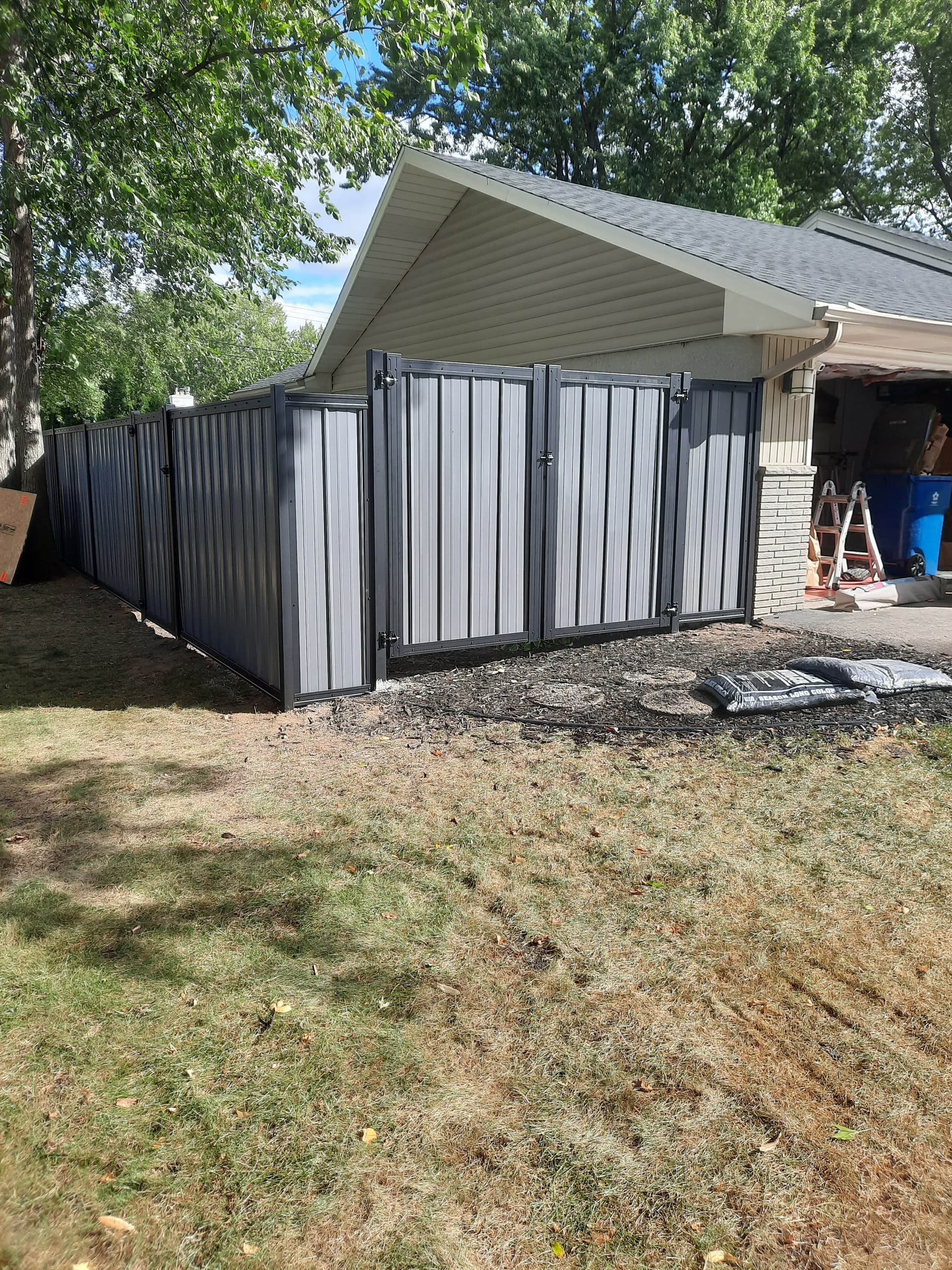
A framed system helps coordinate privacy panels, posts, hardware, and frequent-use access points for waste and service areas.

Pool and outdoor living privacy areas

Corrugated privacy panels can define outdoor rooms, pool equipment zones, and sight-line control areas when height and gate requirements are confirmed early.

Wood fence replacement

For owners tired of warped boards, staining cycles, or repeated repairs, corrugated metal infill offers a lower-maintenance design direction when properly framed.

Why the Framed System Matters

Corrugated panels provide the visual screening, but steel posts and framing determine whether the fence feels straight, durable, serviceable, and intentional. A framed system helps control transitions, fastener placement, gate alignment, and the way long runs repeat across the site.

This is especially important for privacy fencing because solid panels catch wind, hide grade changes less forgivingly than open fencing, and put more pressure on gate posts and corner conditions.

Corrugated Fence System Compatibility

  • Steel Frame Fence System — the primary Perimtec system for compatible corrugated metal and Designer Metal infill inside a structured post-and-frame fence.
  • Single Color Steel Privacy — a different all-steel system for buyers who want a uniform steel privacy fence rather than a corrugated infill design.

Corrugated Fence Pricing and Project Paths

Move from corrugated panel selection to the primary Steel Frame system, project pricing, broader privacy comparisons, and finished examples.

Horizontal vs. Vertical Corrugated Metal Fence

Horizontal corrugated layouts emphasize long modern lines and can make a run feel more architectural. They also require careful planning at posts, gates, and corners so the rib direction stays intentional rather than looking pieced together.

Vertical corrugated layouts feel more traditional for panelized screening and can simplify drainage and some panel transitions. The right direction depends on panel profile, fence height, run length, gate design, and the surrounding architecture.

Compare with horizontal slat fence options

Frame and Post Considerations

  • Use posts and footings appropriate for solid privacy panels, especially on exposed sites.
  • Coordinate panel edges with rails or channels so the fence has a finished perimeter.
  • Plan height, grade transitions, corners, and terminal posts before finalizing panel quantities.
  • Confirm whether the project mounts in soil, to concrete, or against existing hardscape conditions.
Review concrete mounting guidance

Corrugated Fence Gates and Openings

Corrugated fence gates need more planning than a simple infill swap. Gate width, latch side, hinge side, post strength, hardware clearance, and infill orientation all affect how well the opening works after installation.

If the gate should match the corrugated fence, plan the frame and panel direction at the same time as the fence layout. That keeps the opening from becoming the weak point visually or structurally.

Maintenance and Lifecycle vs. Wood

Corrugated metal is often chosen by buyers replacing wood privacy fencing because it avoids many board-level problems such as rot, insect damage, frequent staining, and warping. It still needs sensible maintenance: periodic cleaning, finish inspection, fastener checks, and attention to scratches or damaged coatings.

The strongest comparison is not simply metal panel versus wood board. It is a framed corrugated fence system versus a wood-only fence that may need more frequent repair, refinishing, and board replacement over time. If you are comparing broader metal privacy fence options, start with the metal privacy fence system overview.

Compare wood and metal fence directions or see wood-look metal fence finishes.

Design Considerations Before You Price It

  • Panel profile: deeper ribs, tighter corrugations, and flat-panel alternatives create different shadow lines and stiffness expectations.
  • Color and finish: coordinate panel finish, frame color, fasteners, and touch-up expectations so the fence ages consistently.
  • Privacy level: most corrugated layouts are visually private through the panel face, but sight lines at posts, gates, grade changes, and corners still need planning.
  • Height: taller solid panels increase privacy and screening value, but also increase structural and wind-load demands.
  • Site exposure: open lots, long straight runs, high-wind areas, coastal environments, and wet service zones all affect post and finish decisions.

Common Corrugated Fence Mistakes

  • Treating sheet metal like standalone fencing instead of integrating it with posts, rails, edges, and fastening details.
  • Using weak posts or shallow footings for a solid panel fence that will experience wind pressure.
  • Waiting too long to plan gates, then forcing gate widths, hardware, or infill orientation to fit after the layout is set.
  • Ignoring wind load on long privacy runs, corners, exposed lots, and tall panels.
  • Mixing fasteners or finishes that can stain, corrode, or visually clash with the frame and panel finish.